Full loads
One customer's goods fill the vehicle and go from collection to delivery direct, with nothing else on the deck.
We need: the total weight, the number of pallets or the metres of deck, and both addresses with their access.
Loads, as we plan them
Nine kinds of road haulage, each with what it needs from you before it can be planned. They are the classes of work the company is set up for, not a list of past jobs: HAKEM TRANSPORT LTD was incorporated on 1 September 2026, and this page says what we do and how, nothing more.
Work is planned around three classes of vehicle: a 7.5-tonne rigid for smaller loads and tight streets, an 18-tonne rigid with a tail-lift for pallet work into premises without a forklift, and an articulated unit with a 13.6-metre curtain-sided trailer for full loads and trunk runs. Which one a load needs is decided by its weight, its length and the access at both ends, and in London by the hour it has to arrive, because the controls on heavy vehicles depend on weight.
A 44-tonne gross weight is the ceiling for an articulated vehicle on British roads, and a standard semi-trailer is 13.6 metres long. We do not plan work for the longer trailers that need a special order, for abnormal loads, or for anything that has to leave the country.
One customer's goods fill the vehicle and go from collection to delivery direct, with nothing else on the deck.
We need: the total weight, the number of pallets or the metres of deck, and both addresses with their access.
A share of a deck, for a consignment that does not need the whole vehicle but is too big to treat as a parcel.
We need: the footprint, the weight, and whether anything may stand on top of it.
One pallet or many, on UK bases of 1200 by 1000 mm or Euro bases of 1200 by 800 mm.
We need: the weight and height of each, and confirmation that each is wrapped and stable.
One load delivered to several addresses across east London and Essex in a planned order, loaded so that the first drop comes off first.
We need: the drop list in order, the goods for each drop, and any booking-in times.
To shops, sites and premises with no forklift, where the goods come down to the ground on the vehicle's own lift.
We need: the heaviest single item and what the ground is like where it comes off.
Banded bricks, blocks, timber and plasterboard to site: the loads where restraint matters most, because a band is not a strap.
We need: site access, the gate hours, and who unloads.
Regular runs out and back along the A13 and the M25, timed around London's night and weekend controls on heavy vehicles.
We need: the two ends, the days, and the latest arrival at each.
A load for the way home, so a vehicle does not run back empty after a delivery out of the area.
We need: where the goods are and how flexible the day is.
Into distribution centres with booking-in times, paperwork and a signature at the goods-in desk.
We need: the booking reference and the delivery window, or the contact who gives them.
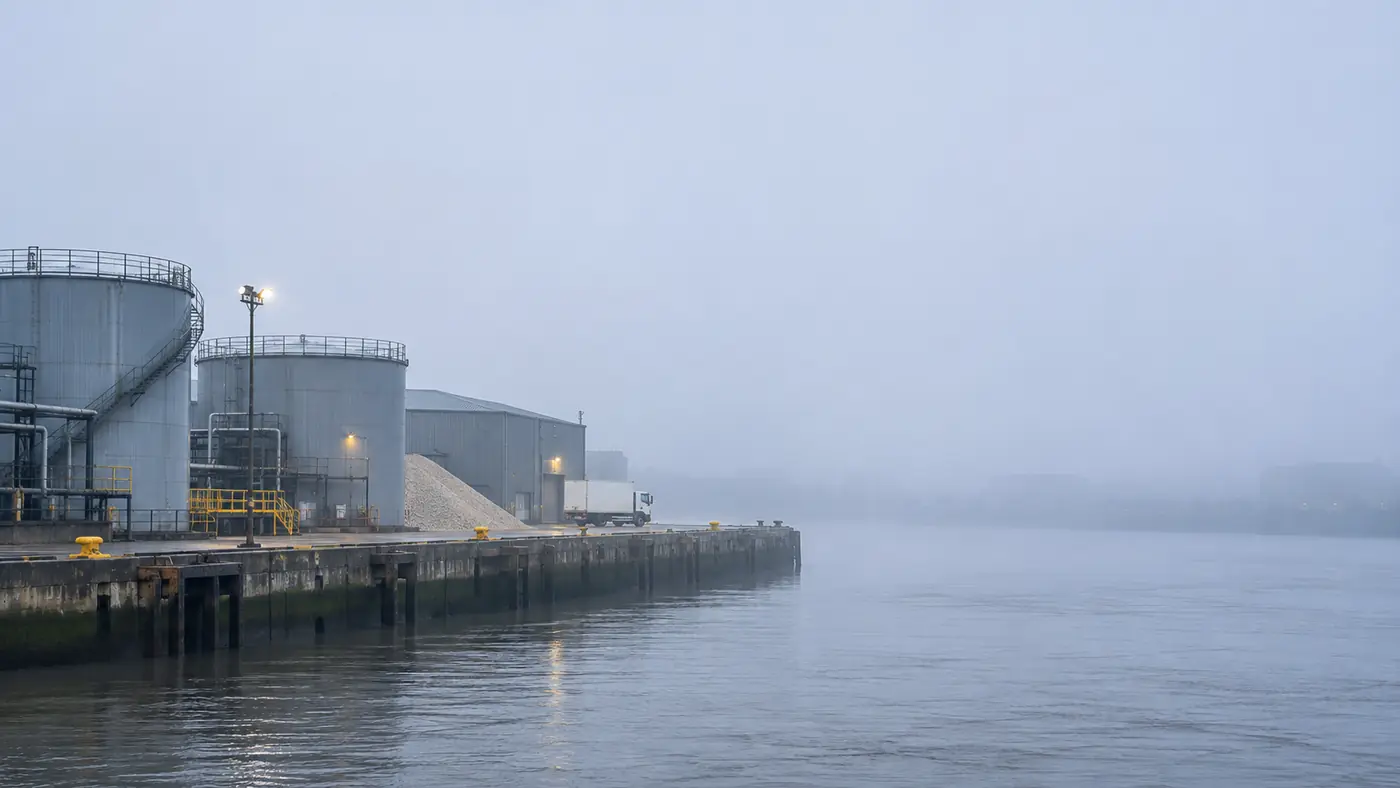
Dagenham and the rest of Barking and Dagenham; east London along the A13, from Alfreds Way through Barking and Ripple Road into Dagenham, west to the North Circular and east to the M25 at junction 30 near the Dartford Crossing and Lakeside, with Tilbury on the way; and north by Eastern Avenue. Anything further is a planned trunk run by arrangement, and we do not promise national coverage.
Dangerous goods, chilled or frozen goods, abnormal and oversized loads, livestock, and anything leaving the United Kingdom. Each needs its own equipment, training or permission, and none of them is part of the work we plan for. If a load is one of these, the honest answer is no, and we will say so when we reply.